
The U.S. Cities Most Likely to Burnout in 2026
Where we live and work can affect our mental health, and for those in recovery or transitioning out of inpatient treatment, environments can play a powerful role when it comes to long-term sobriety and overall health. Knowing which cities may pose greater challenges, especially higher burnout risk, can help individuals in recovery make choices that support their wellness and continue on their healing journeys.
We’ve ranked the 25 U.S. cities most at risk of burnout based on a variety of factors, such as the average commute times, median work hours, cost of living, mental health access, green space access, and more, to find out which U.S. city has the most workers at risk of burning out.
Top 10 U.S. Cities Most At Risk of Burnout in 2026
- Jacksonville, FL
- Charlotte, NC
- San Jose, CA
- San Antonio, TX
- Oklahoma City, OK
- Hempstead, NY
- Austin, TX
- Fort Worth, TX
- Indianapolis, IN
- New York, NY
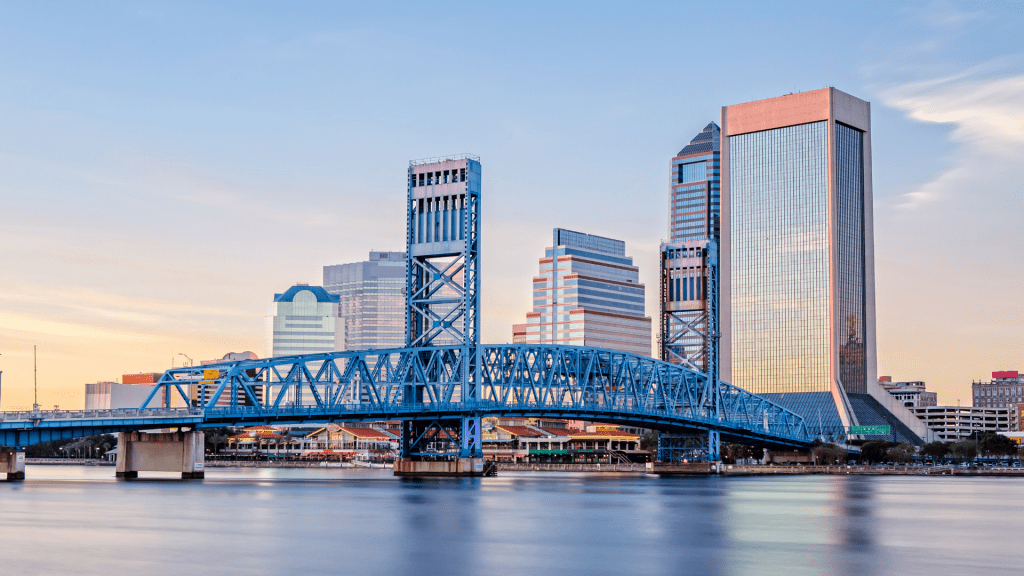
Jacksonville is the #1 U.S. city most at risk of burnout
Jacksonville’s access to sunny beaches might make it seem like a laid-back paradise, but life here can carry hidden stressors, making it the #1 U.S. city most at risk of burnout. Residents spend an average of 27 hours a year in traffic, and the typical workweek stretches to nearly 43 hours, making it easy for stress to pile up. They also spend over $1,100 each month just to cover necessities like groceries, transportation, utilities, and more. Limited access to green spaces for most residents and low walkability make finding ways to get out into nature to decompress challenging as well. And with 26 mental health facilities within 10 miles of the city center, getting help may take longer than expected as well.
Charlotte is the #2 U.S. city most at risk of burnout
Charlotte ranks as the #2 U.S. city most at risk of burnout, especially considering it’s a fast-growing finance and tech hub that comes with a demanding pace of life that can quietly fuel burnout. Residents spend 48 hours on average in traffic throughout the year, while the typical workweek exceeds 43 hours, leaving little room for rest. Average monthly costs for daily necessities also come in at over $1,200, while low walkability and moderate green space access make everyday stress harder to escape. Mental health care is more accessible in Charlotte, with 42 facilities within 10 miles of the city’s center, but dependency on cars and a work-driven culture pose challenges.
San Jose is the #3 U.S. city most at risk of burnout
Ranking as the #3 U.S. city most at risk of burnout, San Jose’s innovation-driven culture and proximity to Silicon Valley create the perfect storm of an environment where long hours and constant connectivity are the norm. Residents spend an average of 95 hours in traffic each year, losing more time than commuters in other cities, and work 42 hours a week on average. A steep monthly cost of living adds financial pressure, with residents spending over $1,400 a month on necessities. Though most residents live near green spaces and the city is fairly walkable, they toe a fine line of keeping balance. There are also just 26 mental health facilities within a 10-mile radius, sometimes making support harder to reach when stress becomes too much.
San Antonio is the #4 U.S. city most at risk of burnout
San Antonio ranks as the #4 U.S. city most at risk of burnout, where longer workweeks and limited access to restorative spaces take a toll on residents’ mental health. Locals work an average of over 43 hours a week and spend 43 hours a year stuck in traffic. While the city’s cost of living is lower than the other top cities, averaging around $1,090 monthly for the essentials. Less than half of residents live within a 10-minute walk of a park, and low walkability makes it harder to unplug from daily stress without a car. And with only 26 mental health facilities in a 10-mile radius, accessing support might be a challenge when burnout starts to surface.
Oklahoma City is the #5 U.S. city most at risk of burnout
Oklahoma City rounds out the top 5 U.S. cities most at risk of burnout, shaped by factors that make everyday stress unavoidable. Though residents spend fewer hours in traffic than many major metros at 24 hours a year, the average workweek still exceeds 43 hours. Monthly living costs are just over $1,100, adding steady financial pressure to already demanding schedules as well. Only 40% of residents live within walking distance of a park, and a low walkability score means opportunities to get out into nature to relieve stress aren’t always easy to access. With 28 mental health facilities nearby, support exists, but the mounting responsibilities of daily life may delay care for those who need it most.
This combination of high-pressure jobs, time wasted commuting, and limited access to care makes San Jose a challenging place to maintain long-term wellness without intentional structure and support.
While some cities offer environments that support balance and mental wellness, others can quietly increase stress and risk of burnout. If you’re navigating early recovery or seeking continued support while reintegrating into daily life, we offer a variety of programs, including inpatient rehab and outpatient treatment, to help support you at any point in your recovery journey.
Methodology
We identified and ranked the 25 U.S. cities with the most workers, including St. Louis & Kansas City, by analyzing factors such as average commute times, median work hours, cost of living, mental health access, unemployment rates, walkability, green space access, and search volumes for relevant terms like “how to prevent burnout” and “work stress” in each city. Data accurate as of January 16, 2026.
