

Imagine someone suffering from a chronic health condition, say heart disease or diabetes. Now imagine that person refusing to seek treatment because they are terrified of being judged by their doctor, losing their job, or being shamed by their own family or community.
This is a hidden, compounding crisis we face with Substance Use Disorder (SUD).
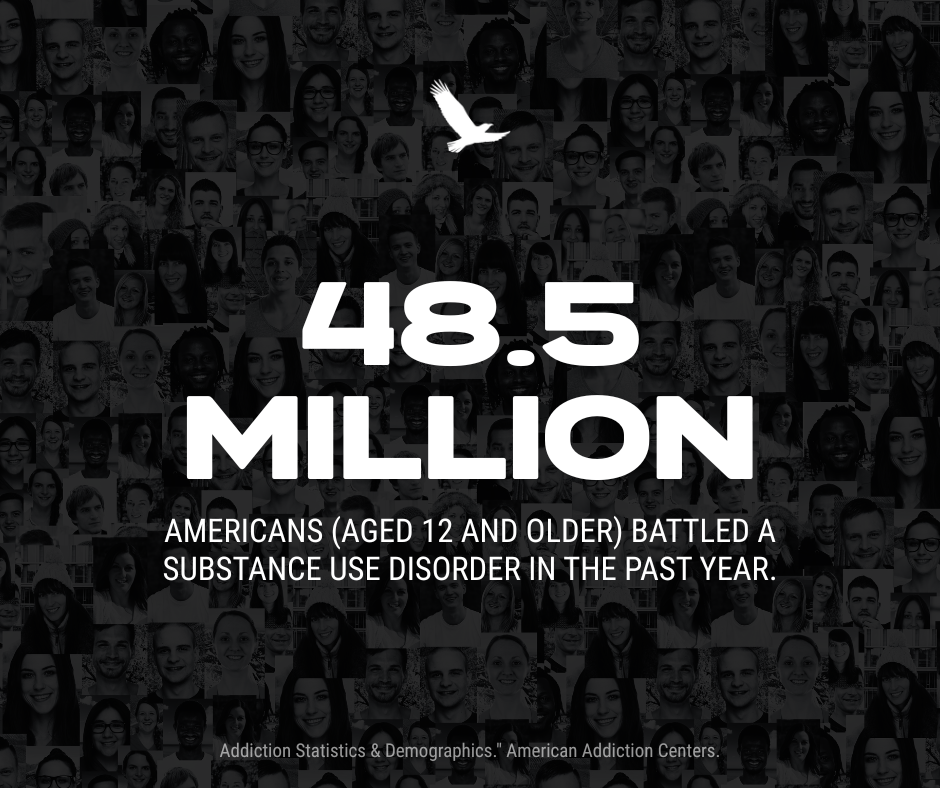
At its core, addiction is a chronic, treatable health condition, just like any other. It involves complex changes in the brain and is influenced by a blend of genetics, environment, and personal history. Recovery is possible, and yet, year after year, millions of people avoid seeking help.
One of the greatest barriers to people seeking treatment is stigma.
Stigma drives people into isolation. When people feel seen as a label (like “addict” or “junkie”) rather than a whole person with a health condition, they are denied the human connection and dignity necessary for healing.
To change this narrative, we must first understand it. This starts with recognizing what stigma is, how it works, and the simple shifts we can all make to dismantle it.
What is Stigma, and Why Is It Such a Barrier for Substance Use Disorder (SUD)?
Stigma is not just an unkind word or a negative thought about a person. Stigma is an invisible wall that society builds around a group of people, marking them with negative stereotypes, which then leads to prejudice and discrimination. This is why Substance Use Disorder (SUD) is consistently ranked among the most stigmatized health conditions in the world (Recovery Research Institute).
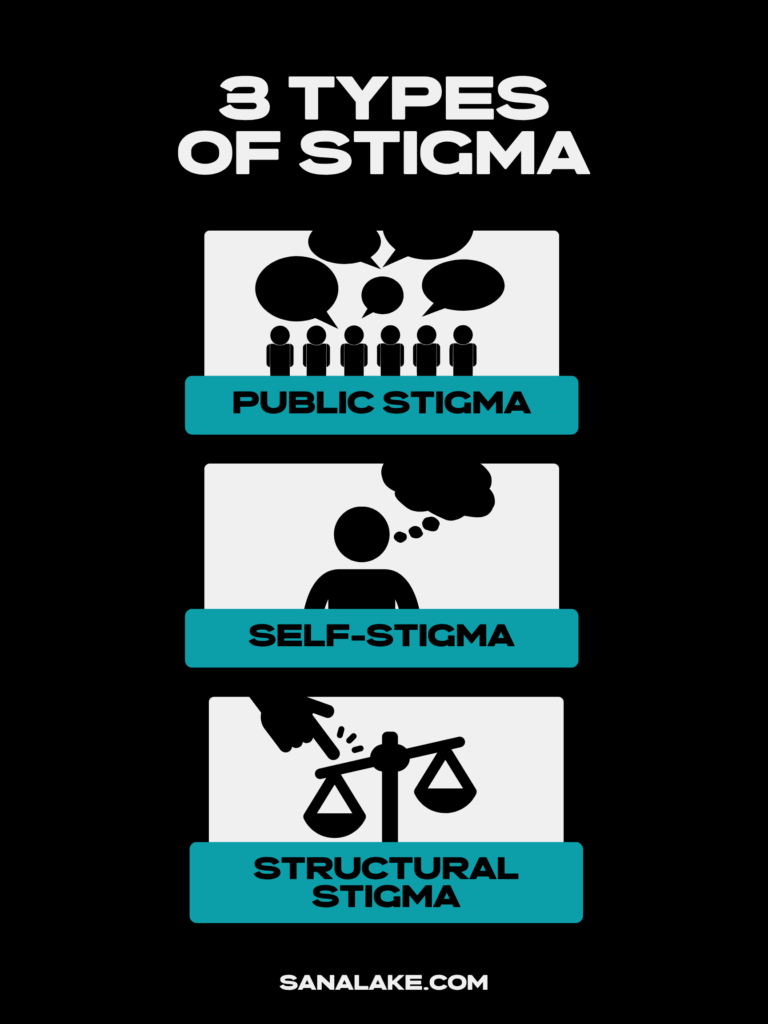
In order to fight this stigma, we need to understand and recognize its three distinct faces:
The Three Faces of Shame & Judgment
- Public Stigma: Public Stigma is a broad, negative attitude held by the general public. It’s the false belief that a person struggling with addiction is flawed, weak-willed, or somehow choosing their disease. This type of stigma often pushes for jail or criminal penalties rather than compassionate healthcare. In the real world, this looks like a neighbor making an offhand comment about a person “just needing to try harder”, or a news story that sensationalizes addiction as a moral failing.
- Self-Stigma: This is the most painful form of stigma and it occurs when a person with SUD internalizes the messages from public stigma and applies it to what they believe about themselves. The shame, blame, or worthlessness they have internalized acts as an anchor and actively prevents the person from seeking treatment or admitting that they are struggling. This deep shame is a major reason why many people hide their condition and fear opening up to loved ones or professionals.
- Structural Stigma: Structural stigma refers to the laws, policies, and practices that unfairly limit opportunities for people with Substance Use Disorder. This might be a policy that discourages employers from hiring people in recovery, or systems that automatically deny housing or parental rights based solely on an SUD diagnosis.
This trifecta of judgment creates a devastating cycle, making the path to recovery steeper, longer, and far more dangerous.
Key Facts About Addiction Stigma
- SUD is highly stigmatized: Studies consistently confirm that illicit drug use disorder remains the most stigmatized health condition globally (El Hayek et al., 2024).
- Addiction does not discriminate. Millions of people suffer from Substance Use Disorder. Anyone can be affected, regardless of their background.
- Stigma breeds isolation: Fear of judgment leads individuals to hide their condition and use substances alone, dramatically increasing the risk of fatal overdose.
- Stigma is learned, not innate: Negative attitudes about SUD are often tied to the false belief that it is a choice or moral failing, rather than an understanding of the complex genetic and environmental factors involved.
- It affects everyone: Stigma impacts not only the individual with SUD but also their family members, who often feel shame and isolation themselves.
- It is not always intentional: Much of the harm from stigma comes from unintentional bias and a simple lack of education about the nature of addiction as a disease.
3 Ways You Can Help Reduce Stigma
The journey to ending stigma starts with small, intentional acts of compassion we can practice every day. Here are three simple, yet powerful ways we can actively reduce the stigma around Substance Use Disorder (SUD).
1. Transform Your Language: Why Words Matter for Recovery
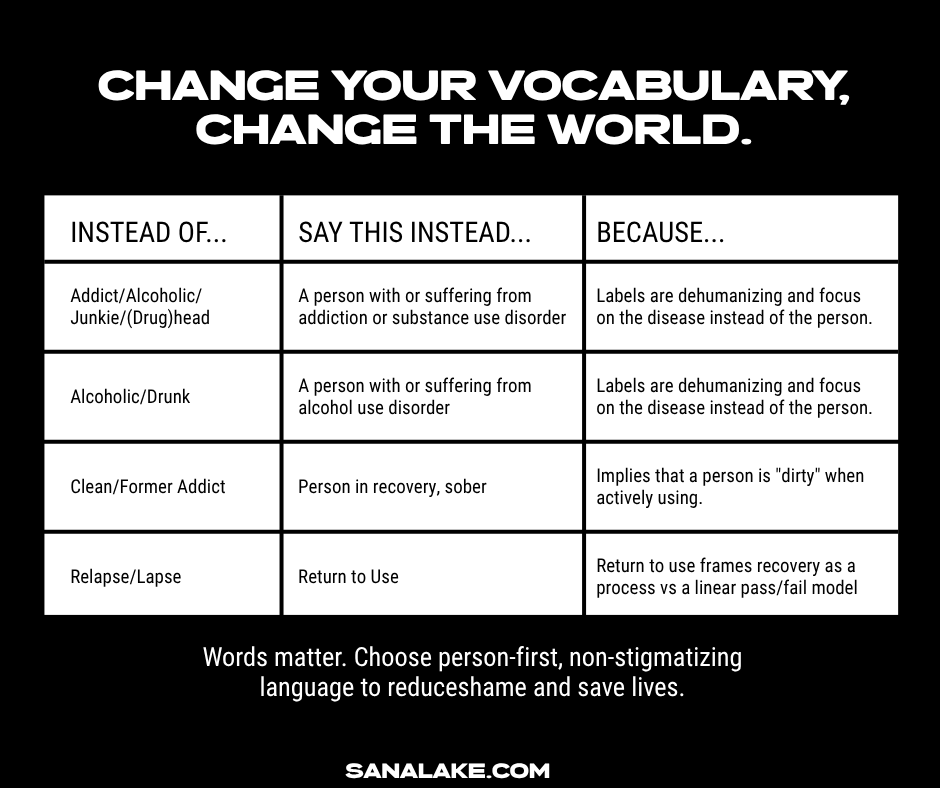
This is the fastest and most powerful change you can make. Your words do more than just communicate: they actually change how we all think about addiction. When we use judgmental terms, we make people feel like addiction is a moral failure rather than a chronic health condition.
Studies clearly show that using terms like “substance abuser” increases the likelihood of people holding more punitive, negative attitudes than using the medically accurate term “person with a substance use disorder.”
The solution is to use person-first language. Person-first language means that you are focusing on the person, not their illness. This is a simple way to show that a person is much more than their health struggle and to avoid identifying the person by their illness alone.
To learn more about language and Substance Use Disorder, visit this comprehensive “addiction-ary” here.
2. Educate Yourself: Learn the Truth about SUD
One of the main reasons stigma is so powerful is that many people rely on old ideas about SUD that were passed down through generations. As science and research continue to progress, the medical community’s understanding of addiction has evolved, but public perception often lags behind. Many people still mistakenly believe that substance use disorder (SUD) is a choice, meaning a person could simply stop if they had enough willpower.
Taking the time to learn the truth about addiction and educating yourself can help you better understand SUD and allow you to hold empathy for those struggling. When you share the medical facts, you are performing a powerful anti-stigma action.
Knowing the facts can help you combat stigma in real time. For example, if you hear misinformation, you can gently guide the conversation back to compassion and medical understanding.
3. Prioritize Connection and Compassion
One of the most effective strategies for breaking down public stigma is called contact-based intervention, which is simply connecting with people who have lived experience of SUD and recovery (PMC, 2012). When people who have struggled with addiction share their story, stereotypes begin to dissolve.
What can you do? Advocate for inclusion and support in your workplace, community groups, or in your own family. Support policies that are integrating SUD care into general health settings, and most importantly, show up with compassion for the people you know who are struggling.
How You Can Become an Ally Today
The first step to ending the stigma is understanding what stigma is and how it impacts addiction and treatment. The next step is taking action. Here are some ways you can step up to end the stigma against substance use disorders:
- Audit Your Words: Review your vocabulary. Eliminate “addict,” “junkie,” and “clean/dirty” from your language today and replace these terms with compassionate, person-first language.
- Share The Facts: When the topic of addiction comes up, steer the conversation toward the medical reality of the disease and use the opportunity to gently educate those around you.
- Listen with Empathy: If a loved one shares their struggle, respond with curiosity and support, not judgment. Your non-judgmental response is life-saving care.
- Support Non-Discriminatory Policies: Look for ways to advocate for fair treatment in housing, employment, and healthcare for people in recovery (challenging Structural Stigma).
Every word we choose, every act of compassion we offer, and every time we treat Substance Use Disorder like the health condition it is, we take a hammer to the invisible walls of shame.
Walk with Sana Lake Recovery on November 9th
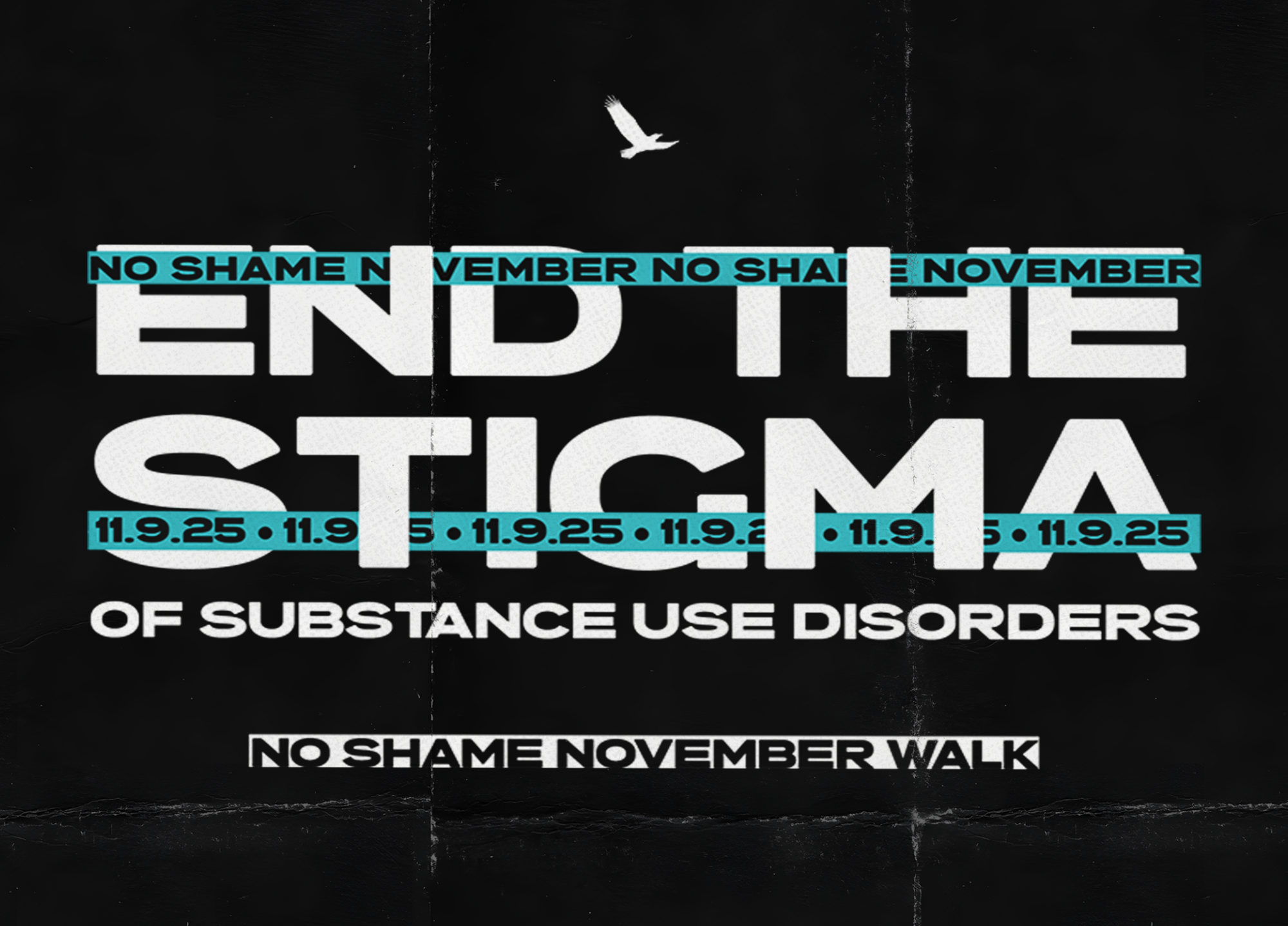
Join us for the 2025 No Shame November Walk to End the Stigma on November 9th, 2025 at Creve Coeur Lake Memorial Park.
No Shame November is an annual awareness campaign by Sana Lake Recovery. Launched in 2021, the goal of No Shame November is to reduce the stigma and shame often associated with alcohol and substance use disorders. The campaign is about spreading hope and encouraging individuals still struggling with SUD to reach out for help.
Click here to learn more about the walk and how to get involved.
Are you or a loved one struggling with Substance Use Disorder? There is no shame in seeking help. Sana Lake Recovery is committed to providing compassionate, evidence-based care in an environment free of judgment. Reach out today.
References
Crapanzano, K. A., Hammarlund, R., Ahmad, B., Hunsaker, L. R., David, R. A., & Somaroo, A. (2018). The association between perceived stigma and substance use disorder treatment outcomes: a review. Substance Abuse and Rehabilitation, 9, 1–12.
Corrigan, P. W., Schomerus, G., Shuman, V., & Pedrini, L. (2012). The effectiveness of interventions for reducing stigma related to substance use disorders: a systematic review. BMC Public Health, 12(420). https://bmcpublichealth.biomedcentral.com/articles/10.1186/1471-2458-12-420
El Hayek, S., Foad, W., de Filippis, R., Ghosh, A., Koukach, N., Mahgoub Mohammed Khier, A. A., Pant, S. B., Padilla, V., Ramalho, R., Tolba, H., & Shalbafan, M. (2024). Stigma toward substance use disorders: a multinational perspective and call for action. Frontiers in Psychiatry, 15.
Kazantzis, E., Van Boekel, L. C., Schomerus, G., & van Weeghel, J. (2024). Examining the relationship between culture and perceived societal substance use stigma in a Michigan-based mental health & addiction focused community. Journal of Substance Abuse Treatment.
Kelly, J. F., Dow, S. J., & Westerhoff, C. M. (2010). Does our choice of substance-related terms influence perceptions of treatment need? An empirical investigation with two commonly used terms. Journal of Drug Issues, 40(4), 805–818.
National Council for Mental Wellbeing. (2021). Language matters when discussing substance use. https://www.thenationalcouncil.org/wp-content/uploads/2021/11/Language-Matters-When-Discussing-Substance-Use-1.pdf
Recovery Research Institute. (n.d.). The real stigma of substance use disorders. Retrieved October 23, 2025, from https://www.recoveryanswers.org/research-post/the-real-stigma-of-substance-use-disorders/
van Boekel, L. C., Brouwers, E. P., Van Weeghel, J., & Hutschemaekers, G. J. (2013). Healthcare professionals’ regard towards people with substance use disorders: a systematic review. Addiction, 108(9), 1539–1544.
