

Recovery is more than just quitting drugs or alcohol. It’s about creating a life that supports healing, purpose, and lasting change.
What Is Considered Long-Term Recovery?
The Substance Abuse and Mental Health Services Administration (SAMHSA) defines recovery as a process of change through which individuals improve their health and wellness, live a self-directed life, and strive to reach their full potential.
Long-term recovery typically refers to maintaining sobriety for one year or more, but it also involves developing the tools, relationships, and mindset necessary to navigate life without returning to substance use.
It includes emotional healing, building supportive connections, addressing co-occurring mental health conditions, and engaging in ongoing growth. Research shows that people who remain connected to recovery-focused services and support networks over time are significantly more likely to sustain their sobriety and improve their quality of life.
10 Research-Backed Keys to Long-Term Recovery
1. Connection & support
People in recovery who feel connected to a community, to peers, and/or to family are significantly more likely to maintain sobriety. These supportive relationships can reduce stress, promote accountability, and combat the isolation that often drives return to use.
Whether it’s peer groups like Alcoholics Anonymous (AA) or Narcotics Anonymous (NA), therapy, or having a strong family support system, getting connected and staying connected are key to long-term recovery.
2. A Safe and Stable Living Environment
A person’s home plays a massive role in recovery. Unstable housing or living with people who use substances can quickly derail progress. Research shows that people in stable, sober environments have significantly higher rates of achieving long-term recovery.
Recovery supportive housing, like sober living homes, is often a bridge between treatment and independence and can be a great resource for those who don’t have a stable or supportive home environment.
3. Daily Purpose
Having a reason to get up in the morning, such as a job, school, volunteer work, or caring for family, can create structure and give meaning and purpose to daily life. Purpose helps shift focus away from substance use and toward long-term goals.
In fact, SAMHSA identifies “purpose” as one of the four pillars of recovery.
4. Healthy Coping Skills
Learning to manage stress, cravings, and emotional triggers is very important to long-term recovery. Without healthy coping strategies, people are more likely to return to old habits.
Cognitive-behavioral therapy, mindfulness practices, journaling, and physical activity are all evidence-based tools that lower the risk of returning to use.
5. Continuing Care
Recovery doesn’t end when treatment does. Ongoing support like outpatient counseling, alumni groups, recovery coaching, or periodic therapy can make all the difference.
Studies show that people who stay engaged in care for at least a year after initial treatment have significantly better outcomes.
6. Mental Health Support
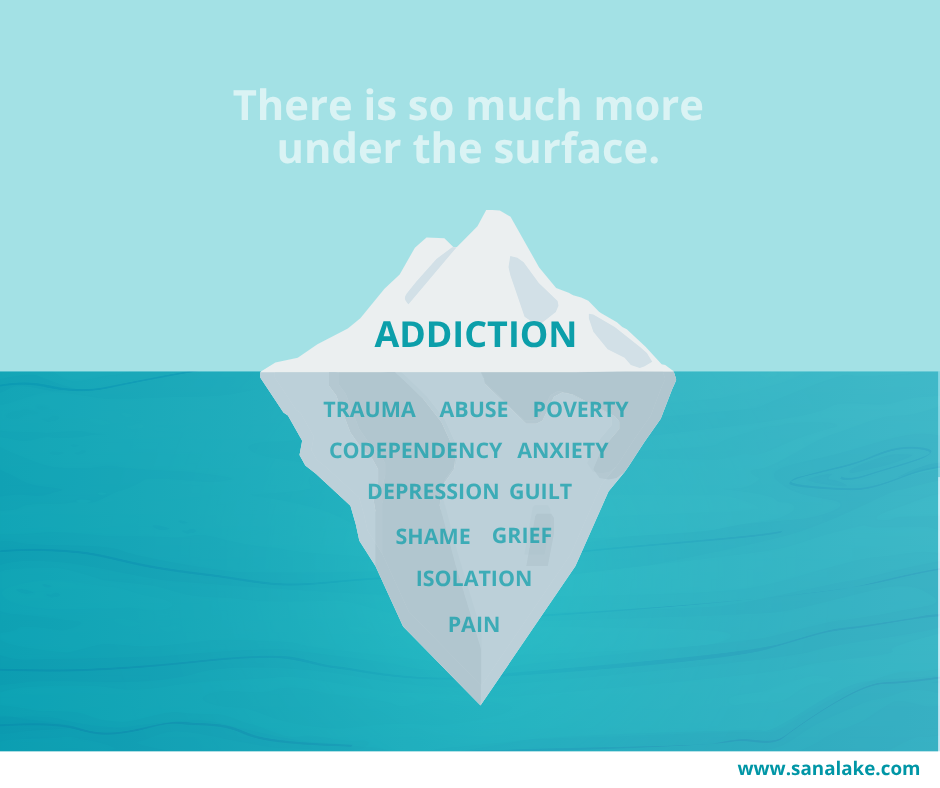
Mental health and addiction often go hand-in-hand. Depression, anxiety, PTSD, and other disorders need to be treated alongside SUD for recovery for a full, holistic approach.
Treating co-occurring disorders leads to better emotional stability, fewer returns to use, and overall improved quality of life
7. Self-Belief & Motivation
Believing in your ability to recover matters. Motivation can be internal, such as a desire to live better, or external, such as rebuilding relationships, but the more someone believes they can succeed, the more likely they are to do so.
Celebrating milestones, such as 30, 60, 90, and 120 days, is a great way to stay motivated in recovery.
8. Avoiding Triggers
People, places, and things associated with past substance use can ignite cravings. Research supports the idea of creating a new environment and peer group that is supportive of recovery and sobriety. In early recovery, especially, minimizing exposure to triggers is crucial.
9. Healthy Habits & Self Care
Exercise, sleep, nutrition, and mindfulness aren’t just good for physical health; they’re also good for recovery. These habits improve brain function, regulate mood, and reduce impulsivity. All of these can significantly decrease the risk of returning to use, and increase chances of achieving long-term recovery.
Something as simple as getting quality sleep each night can dramatically change how someone handles stress.
10. Structure & Routine
Establishing a daily routine helps create stability and predictability. Consistent schedules support emotional regulation, reduce decision fatigue, and allow people in recovery to stay focused on what matters the most.

How Sana Lake Helps You Build a Life in Recovery
At Sana Lake, we’ve built our entire approach around what research shows actually helps people stay in recovery for the long haul.
Here’s how we integrate the 10 key components of long-term recovery into our programs:
- Connection is at the heart of what we do. Our Members for Life (M4L) program offers a safe and supportive community, free weekly events, and meetings so that you never have to walk this journey alone.
- Safe, stable housing is available through our Recovery Supportive Housing, giving you structure, accountability, and a safe environment to help you transition into life after treatment.
- Purpose and service are woven into the member experience. Our Members Helping Members program gives you the chance to give back, share your story, and support others in recovery.
- Mental health care is part of every treatment plan. We treat co-occurring disorders and offer psychiatric services and medication management when needed.
- Physical wellness matters too. Our inpatient facility in Dittmer, Missouri includes a full fitness center, a certified wellness director, and a fitness coach to help you build healthy habits that last.
- Motivation, hope, and self-belief are nurtured every step of the way through compassionate care, peer support, and evidence-based therapies.
- Relapse prevention starts early. We help you identify your personal triggers and build a real-world plan for managing them.
- Coping skills and continuing care are part of our outpatient programs, ensuring you stay supported as you step down from more intensive levels of care.
- Structure and accountability are baked into each level of treatment from inpatient to outpatient treatment. Consistency is a key factor in achieving long term recovery.
At Sana Lake, we’re not just here to help you get sober. We’re here to help you stay well, stay connected, and build a life you love.
Start your journey to long-term recovery today.
Sana Lake offers addiction treatment programs in the greater St. Louis area, including:
- Medical Detox
- Residential Treatment
- Partial Hospitalization Program (PHP)
- Intensive Outpatient Program (IOP)
- General Outpatient Services
- Medication-Assisted Treatment
Ready to start your journey to long-term recovery? Our admissions team can answer all of your questions. We’re here when you’re ready.
References
Bjornestad, J., Svendsen, T. S., Slyngstad, T. E., McKay, J. R., Nesvåg, S., Skaalevik, A. W., Veseth, M., & Moltu, C. (2019). “A life more ordinary”: Processes of 5-year recovery from substance abuse—Experiences of 30 recovered service users. Frontiers in Psychiatry, 10, 689 https://doi.org/10.3389/fpsyt.2019.00689
Islam, M. F., Guerrero, M., Nguyen, R. L., Porcaro, A., Cummings, C., Stevens, E., Kang, A., & Jason, L. A. (2023). The importance of social support in recovery populations: Toward a multilevel understanding. Alcoholism Treatment Quarterly, 41(2), 222–236. https://doi.org/10.1080/07347324.2023.2181119
Substance Abuse and Mental Health Services Administration (SAMHSA). (2023). Housing Supports Recovery and Well-Being: Definitions and Shared Values [Fact sheet]. SAMHSA Publications & Digital Products.
National Academies of Sciences, Engineering, and Medicine (NASEM). (2016). Measuring Recovery from Substance Use or Mental Disorders: Workshop Summary. Washington, DC: National Academies Press.
McKay, J. R. (2021). Impact of continuing care on recovery from substance use disorder. Alcohol Research: Current Reviews, 41(1), 01. https://doi.org/10.35946/arcr.v41.1.01
Substance Abuse and Mental Health Services Administration (SAMHSA). (n.d.). Screening and Treatment of Co-Occurring Disorders. Retrieved 2025, from https://www.samhsa.gov/mental-health/serious-mental-illness/co-occurring-disorders
Whipple, C. R., Jason, L. A., & Robinson, W. L. (2016). Housing and abstinence self-efficacy in formerly incarcerated individuals. Journal of Offender Rehabilitation, 55(8), 548–563. https://doi.org/10.1080/10509674.2016.1229713
Smith, M. A., & Lynch, W. J. (2012). Exercise as a potential treatment for drug abuse: Evidence from preclinical studies. Frontiers in Psychiatry, 2(82). https://doi.org/10.3389/fpsyt.2011.00082
Zgierska, A., & Burzinski, C. A. (2014). Reducing Relapse Risk. Whole Health Library, U.S. Department of Veterans Affairs.
Jones, C. M., Noonan, R. K., & Compton, W. M. (2020). Prevalence and correlates of ever having a substance use problem and substance use recovery status among adults in the United States, 2018. Drug and Alcohol Dependence, 214, 108169. https://doi.org/10.1016/j.drugalcdep.2020.108169
Stevens, E., Guerrero, M., Green, A., & Jason, L. A. (2018). Relationship of hope, sense of community, and quality of life. Journal of community psychology, 46(5), 567–574. https://doi.org/10.1002/jcop.21959
